
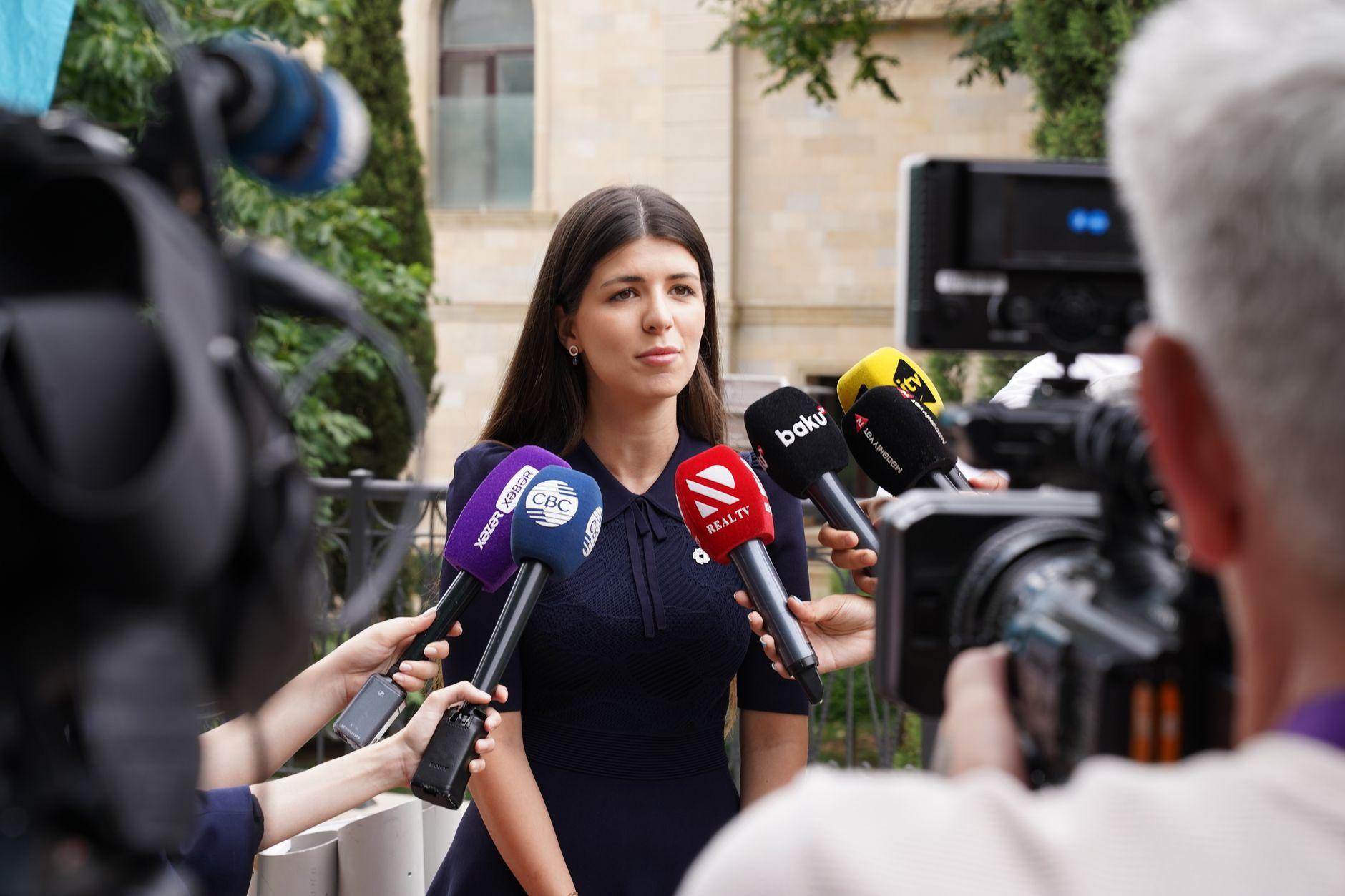
Ask a woman who reports for a living what lands in her inbox after a story goes out, and you will hear a version of the same answer. Not just disagreement. Not just the ordinary heckling that comes with public work. Threats. Photographs of her house. Speculation about her body. Promises about what will happen to her children. The work is public, so the abuse is public too, and for a long time the unspoken expectation was that she would simply absorb it as the cost of the job.
That expectation is wrong, and it is finally being treated as wrong. Online harassment aimed at female journalists is not a personality test or a thickness-of-skin problem. It is a workplace hazard, a press freedom problem, and a retention crisis all at once. Women leave beats, mute their phones, self-censor on the stories that matter most, and sometimes leave the profession entirely. When that happens, the public loses reporting it needed. So the right question is not how a journalist can toughen up. The right question is what support actually helps, and who is responsible for providing it.
The abuse is patterned, not random
The first thing worth naming is that this harassment is not scattershot. It clusters around specific kinds of work. Women covering politics, gender, race, extremism, and online culture get hit hardest, and women who sit at the intersection of more than one marginalized identity get hit hardest of all. A Black reporter covering elections, a Muslim columnist writing about policy, a queer journalist on the culture beat: the volume and the cruelty escalate.
The tactics are patterned too. Coordinated pile-ons where hundreds of accounts arrive within an hour. Doxxing, where home addresses and family details get published to invite real-world danger. Deepfaked or manipulated images designed to humiliate. Mass false reporting to get a journalist's own accounts suspended. Understanding the playbook matters, because solutions that treat each nasty message as an isolated event will always be overwhelmed. The abuse is organized. The response has to be organized too.
Newsrooms have to own this, not outsource it
The single biggest shift of the last few years is the recognition that protecting journalists from online attacks is an employer's job, not a private burden the journalist carries home. The newsrooms getting this right share a few habits.
They write it into policy. There is a named protocol for what happens when a reporter is targeted, who she tells, and what the organization does in the first hour. That removes the awful improvisation of trying to figure out, mid-crisis, whether anyone has her back.
They route the abuse away from the target. Some outlets have editors or trained staff triage threatening messages so the journalist does not have to read every one to assess danger. Reading hundreds of violent messages to decide which are credible is its own trauma, and it is work that someone other than the victim can do.
They treat it as a security issue, not a feelings issue. That means practical help with locking down personal data, scrubbing home addresses from data-broker sites, hardening accounts, and looping in legal and physical security when a threat crosses a line. And crucially, they cover the cost. Asking an underpaid reporter to personally pay for a data-removal service is not support.
They make it safe to report. Junior staff and freelancers are the most exposed and the least protected. A real policy reaches the freelancer filing one story, not just the staff columnist with a contract.
The support ecosystem outside the newsroom
No single outlet can solve this alone, and a strong network of organizations now exists to fill the gaps, especially for freelancers and small publications that lack in-house security teams.
Press freedom and safety groups offer emergency assistance, digital security training, and direct help during an active attack. The Committee to Protect Journalists publishes safety guidance and runs emergency support. The International Women's Media Foundation operates a dedicated online violence response hub with practical resources. PEN America's online abuse field manual is a widely used playbook written specifically for writers and journalists facing harassment, with step-by-step guidance for the target, for allies, and for employers.
Digital safety nonprofits help with the technical side: locking down accounts, removing personal information from the open web, and preserving evidence. Counseling and peer-support networks address the part that gets ignored most often, which is the psychological toll of being hunted online for doing your job. And legal aid organizations help journalists understand their options when harassment crosses into stalking, threats, or defamation.
The throughline is that help exists, but it is fragmented, and most journalists do not learn it exists until they are already in crisis. The fix is boringly simple: every newsroom should hand new hires this list on day one, the way they hand over a login and a press badge.
Documentation is power
One piece of practical advice runs through nearly all of this guidance, and it is worth pulling out on its own. Document everything. Screenshot the threats, save the URLs, log the dates, and keep a record even when you would rather delete it all and look away.
It feels counterproductive, because the instinct is to make the ugliness disappear. But documentation is what turns a vague, overwhelming sense of being attacked into something a platform, an employer, or a court can act on. It establishes patterns. It connects a single anonymous account to a coordinated campaign. It is the difference between I feel unsafe and here are ninety threatening messages from forty accounts over three days, one of which named my street. Tools that automate this capture, preserving evidence in a tamper-resistant way, take a grim task off the target's plate and make later action possible.
Where platforms and AI fit, honestly
It would be easy to end on a hopeful note about technology riding to the rescue, and that would be only half true. Platforms remain the place where most of this abuse lives, and their track record is uneven. Reporting tools are clunky, responses are slow, and coordinated campaigns routinely slip through filters that were built to catch one rude reply at a time.
There is genuine promise in tooling that can detect pile-ons as they form, filter the worst content out of a journalist's view without deleting the evidence, and flag coordinated behavior to human moderators faster. AI can help triage volume that no person could read alone. But automated systems also make mistakes, miss context, and can be gamed by the same coordinated actors they are meant to stop. The lesson from every adjacent field, including the detection work we do, is the same: software is a force multiplier for human judgment, not a replacement for it. The tools should serve the journalist and the editor making decisions, not stand in for an institution that would rather not get involved.
The bottom line
Online harassment of women in journalism is a press freedom story wearing the costume of a personal problem. When a reporter goes quiet on a beat because the abuse got to be too much, that is not her failing. That is a story the public will not get to read.
The encouraging part is that we already know what helps. Treat it as a workplace safety issue with a real protocol. Route the abuse away from the target. Pay for the protection. Hand every journalist the support directory before the crisis, not after. Document relentlessly. And use technology as a tool in human hands, not as an excuse to look away.
A byline should be an invitation to read someone's work, not a target painted on her back. Protecting the people who report the news is not a favor to them. It is how the rest of us keep getting the truth.